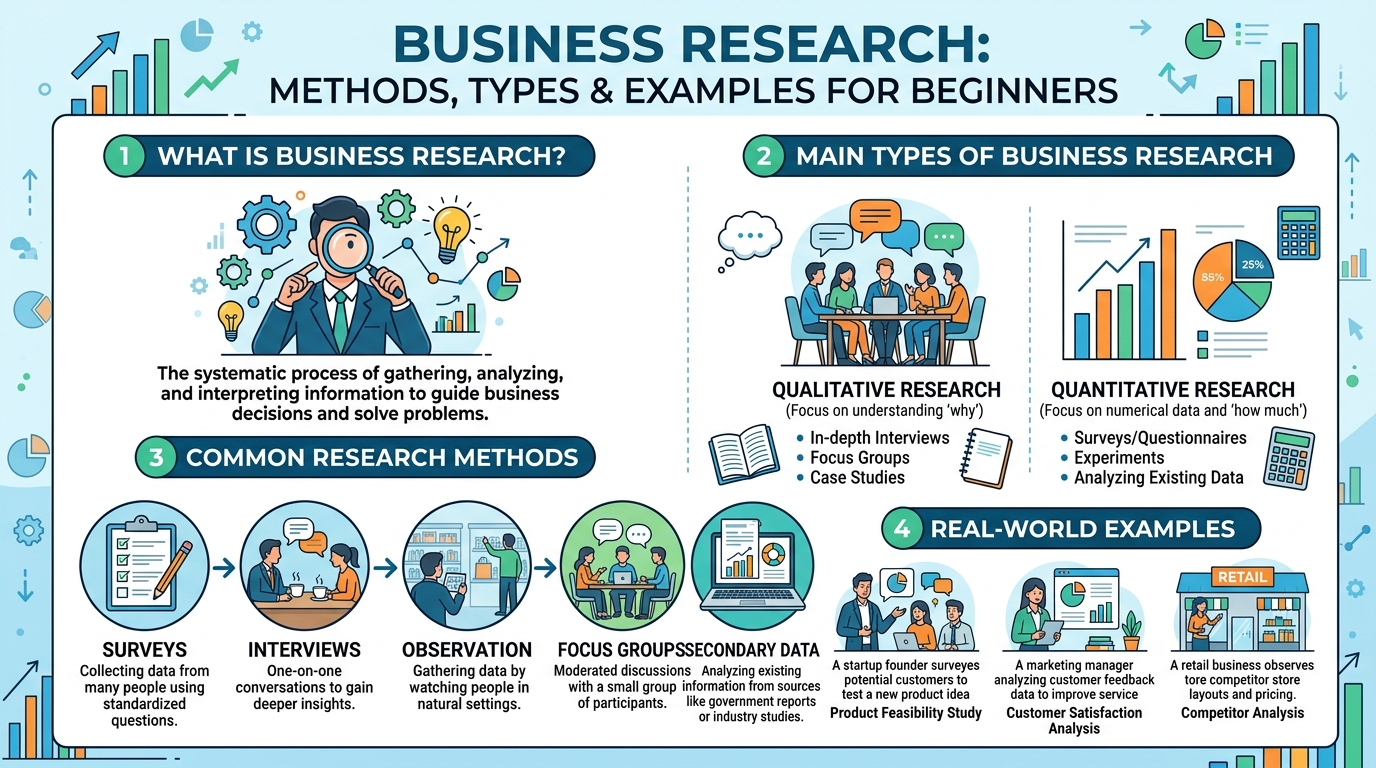
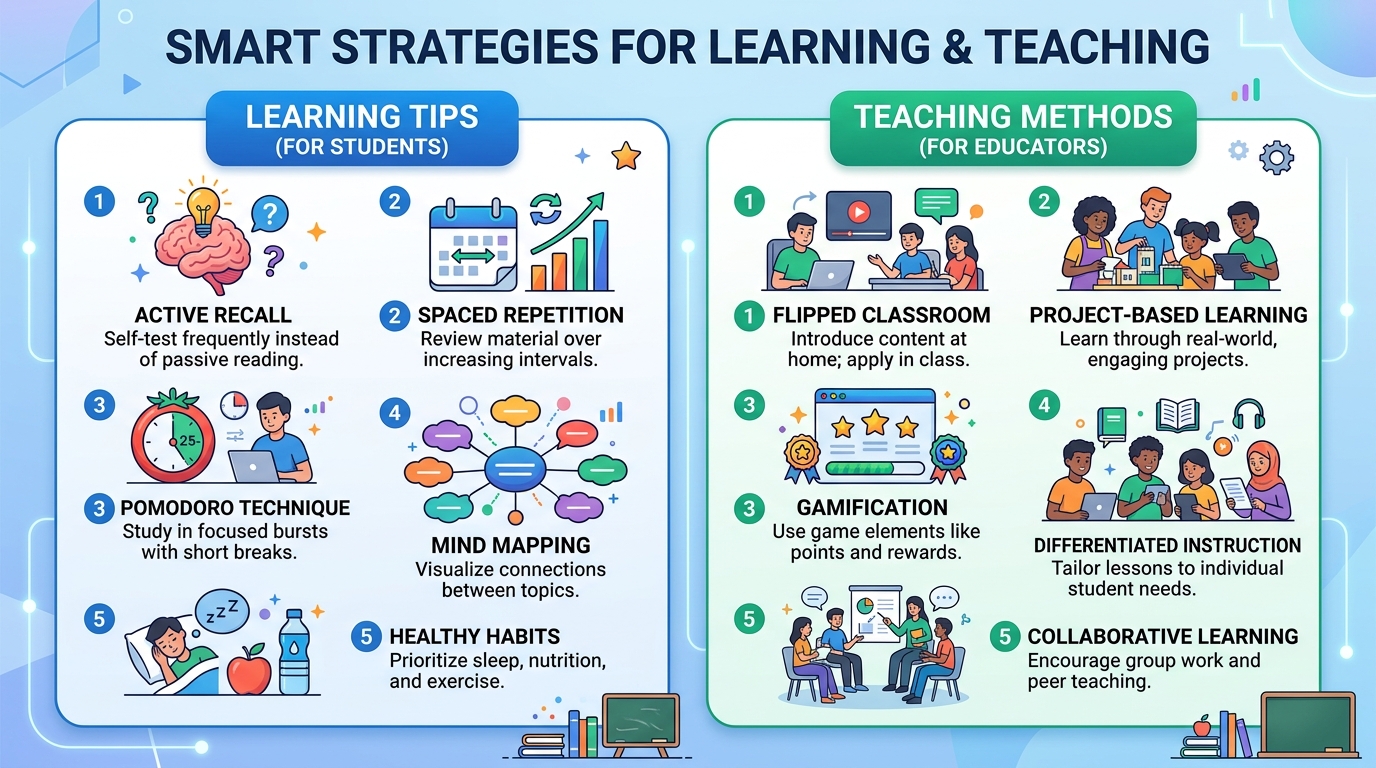
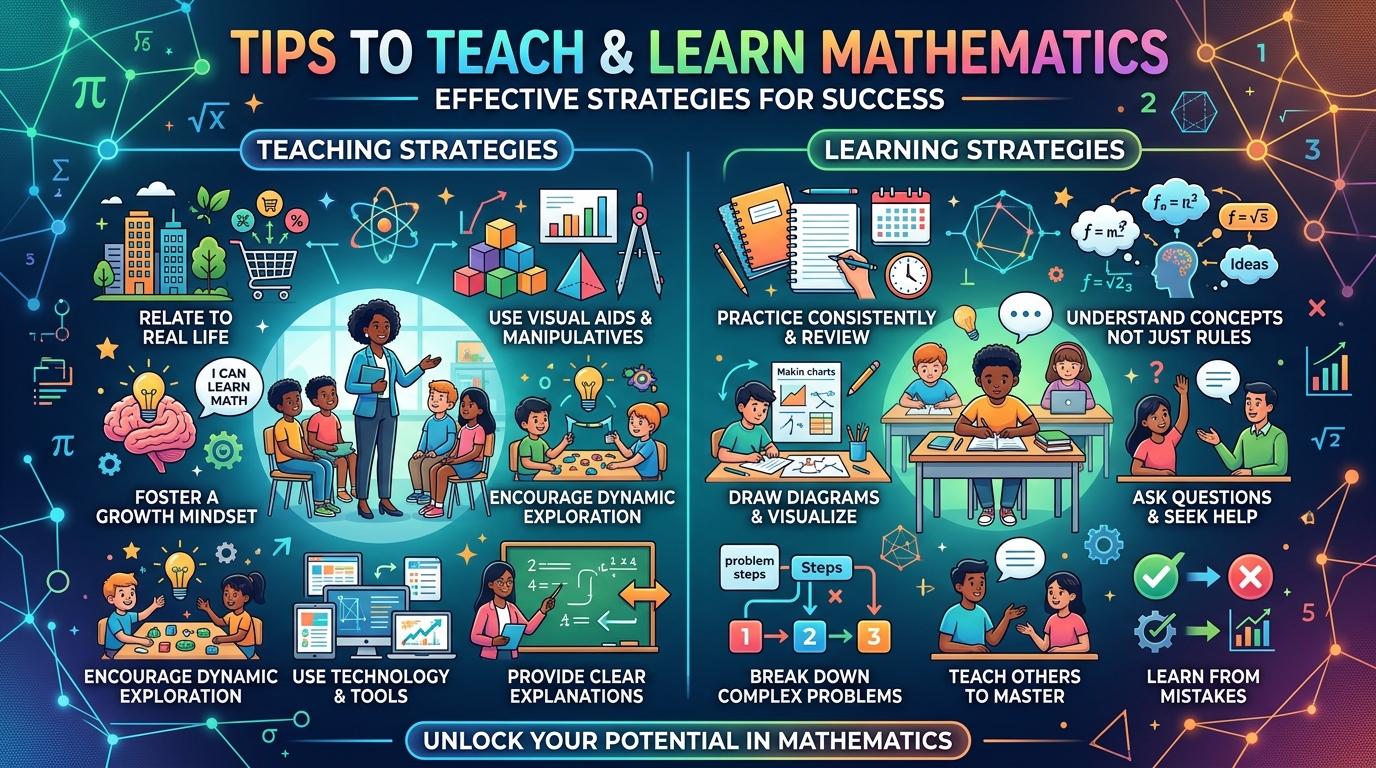
Most learners collect resources the way squirrels collect nuts: enthusiastically, endlessly, and with very little retrieval later. Bookmarked videos, saved PDFs, downloaded textbooks, and courses bought on sale pile up into a digital hoard that creates guilt rather than learning. A study resource library is the opposite of a hoard. It is a small, curated, well-organised collection you actually open, arranged around the subjects you are learning now — and building one takes less effort than maintaining the pile you already have.
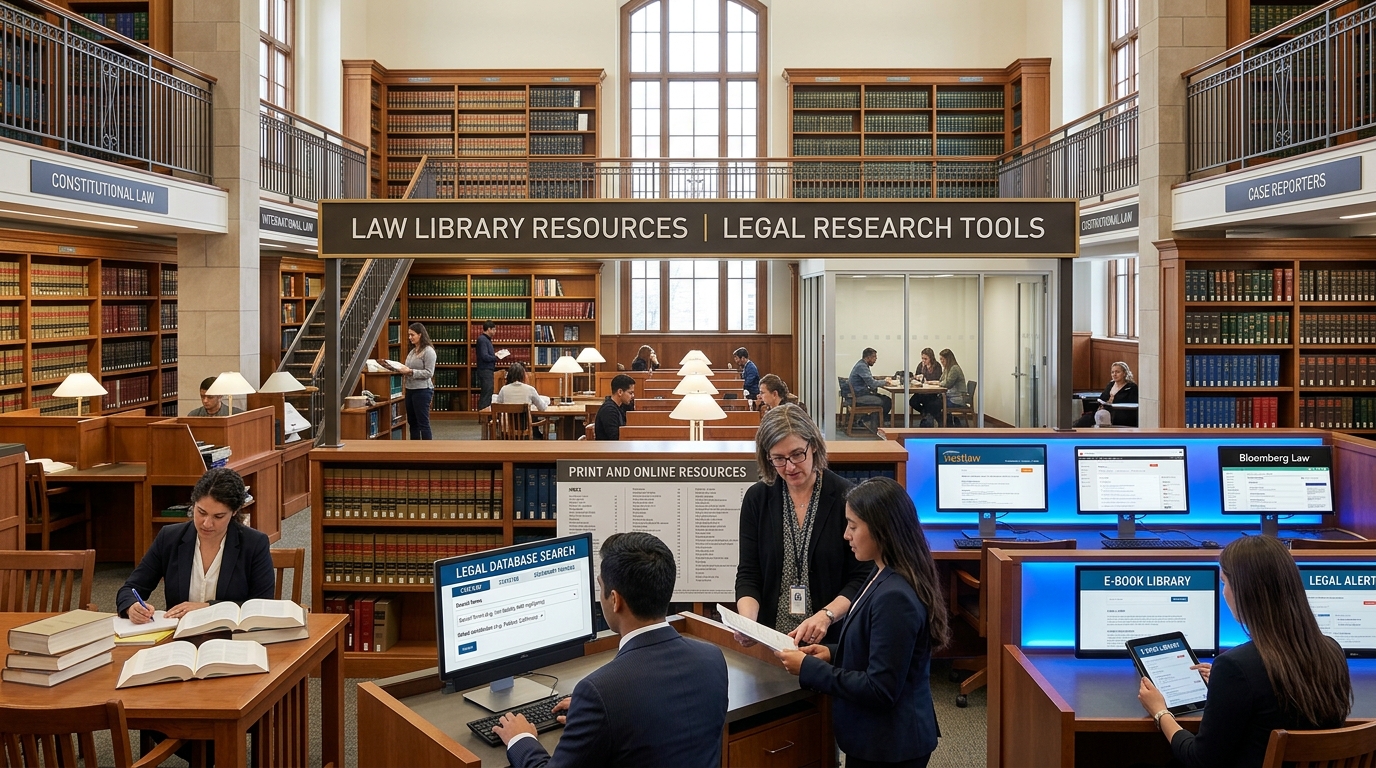
Start With Your Current Subjects, Not Your Someday List
The most common library mistake is collecting for the learner you hope to become. Resources for five future subjects compete with the two you are studying this term, and the clutter makes the current ones harder to find. Begin by listing your active subjects — this semester’s courses, the certification you are preparing for, the skill your job needs next — and collect only for those.
Aspirations can have one small shelf, clearly separated. When a subject becomes active, promote its resources into the main library. When a subject ends, archive its materials out of sight. A study resource library organised around the present stays lean enough to browse in minutes, which is precisely why it gets used.
Collect Fewer, Better Resources Per Topic
For each topic, you rarely need more than four kinds of material: one primary explanation (a textbook, course, or lecture series), one source of practice problems, one quick-reference summary, and one worked-example collection. Ten competing explanations of the same concept do not deepen understanding; they fragment it, because each uses different notation, ordering, and emphasis.
Choose the primary source deliberately. Beginners entering a technical field, for instance, benefit from a single structured path rather than a folder of random tutorials — the roadmap approach in this overview of where to begin cybersecurity education is a good model of choosing one spine and supplementing it, rather than grazing across dozens of introductions.
Organise for Retrieval, Not for Storage
A library fails at the moment you cannot find something you know you saved. Organise by subject, then by topic, using names you would naturally search for — not the filenames resources arrived with. “Photosynthesis – diagram summary” will be found in revision week; “IMG_4021_final_v2.pdf” will not. Tag or name files by what they are for: explanation, practice, reference, or examples.
Keep the structure shallow. Two levels of folders beat five, because every extra click is a small tax you pay at the exact moment you are tired and revising. And keep your access reliable: a library you cannot open is a library you do not have, which is why it is worth sorting out the basics early — even mundane issues covered in guides to connection problems and common questions for new users can lock you out of cloud resources at the worst possible time.
Annotate Everything You Keep
A saved resource without a note is a future mystery. Add one line when you file anything: what it covers, what it is good for, and where it fits in your sequence. “Clear explanation of hypothesis testing; use after chapter 4; good diagrams.” That ten-second habit converts a folder of files into a study resource library with a memory.
Your annotations also become revision tools. Reading your own one-line summaries is a fast way to survey a topic before an exam, and writing them forces the brief moment of evaluation that separates curating from hoarding.
Extend the habit to links as well as files. A bare URL saved today may be meaningless in three months; a URL with your one-line note about why it matters stays useful indefinitely. The same applies to videos: record the timestamp of the segment that matters rather than saving a forty-minute recording you will never scrub through again. Precision at the moment of saving is what makes future retrieval fast, and fast retrieval is the entire reason the library exists.
Schedule a Monthly Prune
Libraries decay. Links break, editions age, and your needs move on. Once a month, spend twenty minutes pruning: delete duplicates, archive finished subjects, remove resources you saved twice and used never, and check that your current topics still have all four resource types covered.
The prune is also where the library proves its value. If you consistently save material you never open, the problem is not organisation — it is that collecting has become a substitute for studying. Cap new additions at a small number per week and require yourself to use one saved resource before adding another.
Back It Up and Make It Portable
A library that exists on one laptop is one spill away from disappearing. Keep your collection in cloud storage or sync it across devices, and maintain one simple backup you control. Portability matters for a second reason: learning happens in fragments — a train journey, a waiting room, twenty minutes before a shift — and a library you can open on your phone converts those fragments into progress.
Choose formats that travel well. PDFs and plain documents open anywhere; materials locked inside a single app’s ecosystem may not. When you save a web resource, save the content or a durable link plus your annotation, because pages move and disappear. The goal is a collection that survives device changes, platform shutdowns, and the end of a course, ready to serve the next subject you take on.
Use the Library as Your Study Starting Point
Finally, make the library the front door to every study session. Open it first, pick the resource matched to today’s goal, and close everything else. This single habit ends the ten-minute pre-study drift through feeds and inboxes, and it gives your sessions a consistent starting ritual.
A good study resource library is boring in the best way: small, current, clearly labelled, and entirely devoted to the learning you are doing now. Build it once, prune it monthly, and let it quietly remove the friction between deciding to study and actually studying.