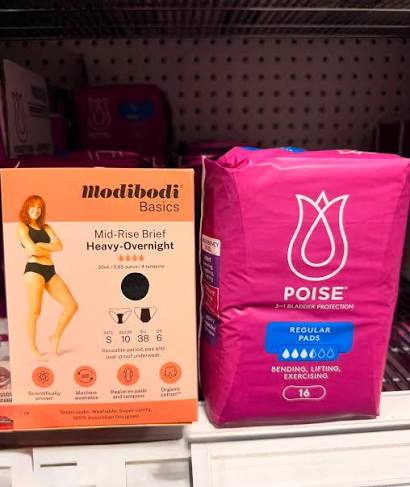

Panty liners can be a useful addition to an intimate care routine, particularly when managing everyday vaginal discharge, light spotting, or small amounts of moisture. However, choosing the right type involves more than deciding which product feels comfortable. Disposable and reusable liners differ in maintenance, materials, convenience, and the amount of care they require after use.
Cotton is another factor worth considering. Some people prefer cotton-based surfaces because of their texture, while others prioritise a thin design, easy disposal, or minimal laundry.
Understanding these differences can help you select a product that fits your daily routine, personal preferences, and practical needs.
Understanding Disposable and Reusable Panty Liners
Panty liners are designed primarily for light moisture management. They are generally thinner than sanitary pads and are not intended to replace menstrual products designed for heavier bleeding.
Disposable liners are designed for single use. After wearing one, you remove it and dispose of it in a waste bin. Reusable liners, by contrast, are designed to be washed, dried, and used again according to the manufacturer’s care instructions.
Both options have advantages and limitations. Neither is automatically better for every person or every situation.
What Are Disposable Cotton Panty Liners?
Disposable cotton panty liners use cotton in at least one part of their construction, depending on the product. Some feature a cotton-based surface, while the absorbent core and backing may contain other materials.
They are convenient for people who prefer not to wash and store used intimate care products. Disposable liners can also be useful while travelling, working long hours, or spending time away from home.
However, the term cotton panty liners does not necessarily mean that every layer is made from cotton. Checking the product description helps clarify the material composition.
What Are Reusable Cotton Panty Liners?
Reusable cotton panty liners are washable products designed for repeated use. Depending on their construction, they may contain cotton fabric, absorbent layers, and other materials intended to improve moisture management or prevent transfer to underwear.
After use, they need to be cleaned thoroughly and dried completely before being stored or worn again.
Reusable options may appeal to people who prefer washable products and want to reduce their reliance on disposable items. However, they require access to suitable washing facilities, enough time to dry them, and a convenient way to carry used liners when away from home.
Comparing Convenience in Everyday Life
Convenience is one of the most noticeable differences between disposable and reusable liners.
Disposable Liners for Busy Schedules
Disposable liners require little preparation. You can carry a few in a handbag, backpack, or travel pouch and replace them when needed.
This can be useful during:
- Long office days or commutes.
- School, college, and other daily activities.
- Travel when laundry facilities are unavailable.
- Occasional spotting or changes in discharge.
- Situations where carrying used products is inconvenient.
Once removed, a disposable liner can be wrapped and placed in a waste bin. It does not need to be stored for later washing.
The trade-off is that regular use creates recurring waste and requires replenishing your supply.
Reusable Liners for Planned Routines
Reusable liners require more preparation but may fit well into routines where laundry is readily available.
Users generally need enough liners to cover their requirements between washes. They also need to follow the manufacturer’s cleaning instructions and ensure each liner is completely dry before reuse.
Reusable products can be practical at home, where washing and drying are easier to manage. They may be less convenient during long trips or days when carrying and storing a used liner is difficult.
The best option depends on whether you prefer the simplicity of single-use products or are comfortable managing a washable alternative.
Material Choices and Skin Comfort
Material composition matters regardless of whether a liner is disposable or reusable.
Cotton is often selected for its familiar, soft texture. However, the feel of a liner depends on its complete construction, including the surface layer, absorbent core, backing, stitching where applicable, and adhesive in disposable products.
Why Cotton Appeals to Some Users
Some people prefer cotton-based surfaces because they feel soft against the body. Cotton may also be a consideration for consumers who want more information about the fibres used in their intimate care products.
However, cotton alone does not guarantee that a liner will feel comfortable for everyone. Individual sensitivities, friction, moisture, fit, and product construction can all affect the experience.
If you have a history of irritation, check the material information carefully and consider whether the product contains fragrances or other components you prefer to avoid.
Understanding Breathability
The term breathable panty liners is commonly associated with products designed to support airflow or help manage moisture. However, breathability depends on the complete product structure, not just the presence of cotton.
A cotton surface does not necessarily mean that the backing or other layers allow unrestricted airflow. Similarly, reusable liners vary in construction, so they should not all be assumed to perform in the same way.
If breathability is a priority, look for specific information from the manufacturer rather than relying only on broad marketing descriptions.
Managing Moisture and Friction
Prolonged exposure to dampness and friction may contribute to discomfort for some people. Regardless of the liner type, replace or change it when it becomes damp, soiled, or uncomfortable.
If a product repeatedly causes itching, burning, or irritation, stop using it. Persistent or recurring symptoms should be discussed with a healthcare professional rather than attributed to the liner alone.
Absorbency and Product Performance
Disposable and reusable liners can differ in absorbency, thickness, and moisture retention. Performance depends on the materials and construction used by each manufacturer.
Disposable products are often designed with a layered structure that includes a surface, absorbent core, and backing. Reusable versions may use multiple fabric layers to absorb light moisture.
Neither category has a universal absorbency level. It is important to check the product’s intended purpose and choose one that suits your needs.
Match Absorbency to the Situation
Panty liners are generally suitable for normal discharge, light spotting, and additional protection alongside another menstrual product.
They are not designed for heavy menstrual flow. If bleeding becomes heavier than expected, use a suitable sanitary pad or another menstrual product designed for that level of flow.
For reusable liners, follow the manufacturer’s guidance about washing, drying, and signs of wear. For disposable liners, follow the usage instructions and replace the product as needed.
A liner should not be expected to remain effective indefinitely, regardless of its material or price.
Cleaning and Maintenance: The Major Difference
Cleaning requirements are one of the clearest distinctions between disposable and reusable products.
Caring for Reusable Liners
Reusable liners must be washed according to the manufacturer’s instructions. This may involve rinsing, washing with a suitable detergent, and drying thoroughly.
Avoid storing a used liner while it remains damp for extended periods. Ensure it is completely dry before placing it in a clean storage area.
Also inspect reusable liners for changes in shape, damaged seams, weakened absorbent layers, or other signs of wear. Replace them when they no longer perform as intended.
The time and resources required for washing should be included when considering whether a reusable option suits your lifestyle.
Disposing of Disposable Liners
Disposable liners eliminate the need for washing after use, but they must still be discarded properly.
Wrap the used liner and place it in a waste bin. Do not flush it down the toilet, even if the packaging suggests that some materials are plant-derived. Liners can cause plumbing blockages and should be handled as solid waste.
Packaging instructions should also be followed, particularly when they provide specific information about storage or disposal.
Environmental Considerations
Environmental impact is another factor people consider when comparing disposable and reusable products.
Reusable liners can reduce the number of single-use products discarded, particularly when they are used repeatedly over a long period. However, their overall impact also depends on manufacturing, washing, drying, product lifespan, and the materials used.
Disposable liners create recurring product waste. Their environmental impact depends on the materials in the liner, its packaging, manufacturing processes, and available waste-management systems.
Does Cotton Automatically Mean Eco-Friendly?
No. Cotton describes a fibre, not the entire environmental profile of a product.
Organic cotton relates to how cotton is grown and processed under applicable standards. It does not automatically mean the complete liner is organic, compostable, or biodegradable.
Similarly, plant-derived components do not guarantee that a finished product will break down under ordinary disposal conditions.
When environmental impact matters to you, review the manufacturer’s claims about materials, certifications, packaging, and disposal. Avoid assuming that one product category is always more sustainable than the other.
Cost and Long-Term Practicality
Disposable liners generally involve repeat purchases as the supply is used up. Larger packs may be convenient for regular users, but the most suitable pack size depends on frequency of use and storage preferences.
Reusable liners require an initial purchase and ongoing care. Their long-term value depends on how often they are used, how long they last, and the resources needed to clean them.
A fair comparison should consider more than the price displayed on the package.
Think about the cost of replacing disposable liners, the number of reusable liners needed, washing requirements, and how easily each option fits into your daily routine.
There is no single cost comparison that applies to everyone because usage patterns and product lifespans vary.
Exploring Disposable Cotton Panty Liners
For people who prefer the convenience of single-use products, Flawsome Plant Based Panty Liners are marketed as an option for everyday freshness and light moisture management.
The product listing describes the liners as being made from plant-derived materials and highlights softness and skin comfort. It also offers different pack sizes, allowing consumers to compare quantities according to their needs.
When evaluating this option, review the product details to understand the stated material composition and intended use. Plant-based does not necessarily mean that a product is made entirely from cotton, so consumers specifically looking for cotton panty liners should check which fibres are used.
Disposable liners may suit people who value portability and minimal post-use maintenance. Reusable alternatives may suit those who prefer washable products and can manage their care requirements.
The appropriate choice ultimately depends on personal preference, rather than assuming that one format works better for everyone.
How to Decide Which Option Suits You
Before buying, consider the following questions:
- How often will you use a liner? Occasional use may require a different purchasing approach from regular use.
- Where will you use it? Travel and long days away from home may make disposable options more convenient.
- Can you manage washing and drying? Reusable products require reliable cleaning and storage routines.
- What materials do you prefer? Review the surface layer and other components rather than relying on the product name alone.
- What level of protection do you need? Choose a liner for light moisture and use a suitable menstrual product for heavier bleeding.
- How important is waste reduction? Consider the complete product lifecycle, including washing, packaging, disposal, and product lifespan.
These questions help you compare products according to real-life requirements instead of making a decision based on one feature.
Conclusion
Disposable and reusable cotton panty liners offer different advantages. Disposable options are convenient, portable, and require no washing after use. Reusable liners can be used repeatedly but need appropriate cleaning, thorough drying, and regular checks for wear.
When comparing breathable panty liners or looking for cotton-based options, pay attention to the complete construction, fit, absorbency, and material information. Neither cotton nor a reusable design guarantees irritation-free use or a lower environmental impact in every circumstance.
Flawsome’s Plant Based Panty Liners provide one disposable option to consider for light moisture management. Reviewing the product information alongside your own preferences can help you decide whether a disposable product or a washable alternative fits your everyday intimate care routine.