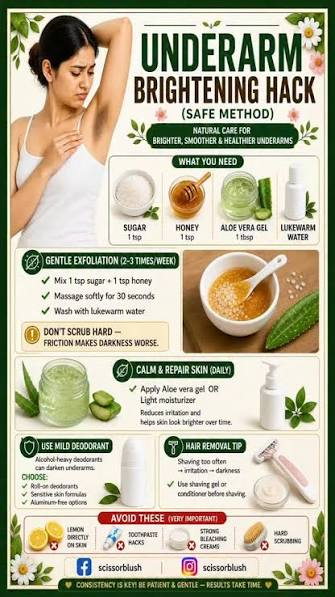

Underarm skin deserves the same thoughtful care as the rest of your body. However, because this area experiences friction, sweating, shaving, and frequent contact with deodorants, it can be particularly prone to irritation and uneven skin tone.
If you have noticed darker underarms, the first step is understanding what may be causing the change. Darkening is not necessarily a sign of poor hygiene, and scrubbing harder will not solve every pigmentation concern. In some cases, excessive friction or irritating products can make discoloration more noticeable.
A gentle skincare routine can help maintain the skin barrier and may improve the appearance of some forms of pigmentation over time. The right approach depends on the underlying cause, the sensitivity of your skin, and the products you use regularly.
What Causes Underarm Pigmentation?
Underarm pigmentation can develop for several reasons. Identifying the likely trigger helps you make more informed skincare choices.
1. Friction and Tight Clothing
The underarms experience regular friction as your arms move against your body and clothing. Tight sleeves, rough fabrics, and repeated rubbing can irritate the skin.
In some people, repeated irritation triggers post-inflammatory hyperpigmentation, in which the skin produces or retains additional pigment following inflammation.
Choosing comfortable clothing and avoiding unnecessary friction may help reduce recurring irritation.
2. Shaving and Hair Removal
Frequent shaving can cause razor burn, small cuts, ingrown hairs, and inflammation. Waxing and other hair removal methods can also irritate sensitive skin.
When this irritation occurs repeatedly, dark marks may develop or become more noticeable.
Using a clean razor, avoiding dry shaving, and choosing a hair removal method that suits your skin can help reduce the likelihood of irritation.
3. Deodorants and Fragranced Products
Some people experience irritation or allergic contact dermatitis from fragrances, preservatives, or other ingredients in deodorants and personal care products.
If your underarms become itchy, red, sore, or flaky after using a product, discontinue it and consider seeking medical advice if symptoms persist.
A fragrance-free formula may be a better option for sensitive skin, although individual reactions vary.
4. Skin Conditions and Other Medical Factors
Not all underarm darkening is caused by everyday irritation. Certain skin conditions and hormonal or metabolic factors can also affect pigmentation.
For example, acanthosis nigricans can cause darker, thicker, velvety skin in body folds, including the underarms. It can sometimes be associated with insulin resistance or other medical conditions.
If the darkening develops suddenly, spreads, becomes noticeably thicker, or appears alongside other symptoms, consult a healthcare professional rather than relying only on cosmetic products.
Which Skincare Ingredients Can Help With Underarm Brightening?
Choosing skincare ingredients requires extra care because underarm skin can be sensitive. Ingredients that are suitable for some areas of the body may cause irritation when used in skin folds, especially after shaving.
The following ingredients are commonly used in skincare products designed to improve uneven skin tone. Their suitability depends on the formulation, concentration, and individual skin sensitivity.
Niacinamide
Niacinamide, a form of vitamin B3, is used in skincare to support the skin barrier and improve the appearance of uneven skin tone.
A well-formulated product containing niacinamide may be worth considering if your primary concern is mild discoloration and your skin tolerates the formula.
However, results depend on the cause of pigmentation, and no ingredient can guarantee that underarm skin will become a particular shade.
Azelaic Acid
Azelaic acid is used in skincare and dermatology for certain pigmentation concerns, including post-inflammatory hyperpigmentation.
It may be helpful in appropriate formulations, but products containing it can cause stinging or irritation. Because the underarms are a sensitive area, consider professional guidance before introducing stronger treatments.
Glycolic Acid and Other Exfoliating Acids
Glycolic acid and other exfoliating acids help loosen the bonds between dead skin cells. Some formulations are used to improve skin texture and certain types of discoloration.
More exfoliation does not necessarily mean better results. Excessive use can disrupt the skin barrier, causing redness, burning, dryness, and potentially more pigmentation.
Avoid experimenting with strong acids on recently shaved, irritated, or broken skin.
Moisturising Ingredients
Ingredients that support hydration, such as glycerin and other suitable moisturisers, can help reduce dryness and improve skin comfort.
Moisturising alone may not remove pigmentation, but maintaining a healthy skin barrier is an important part of a gentle routine.
Before purchasing a brightening product, review the complete ingredient list and choose a formula intended for the area where you plan to use it.
How to Build a Gentle Underarm Brightening Routine
A consistent routine does not need to involve numerous products. Start with basic care, identify possible irritants, and introduce new products gradually.
Step 1: Cleanse Gently
Wash your underarms with a mild cleanser and lukewarm water. Avoid vigorous scrubbing, rough exfoliating gloves, and abrasive home remedies.
The purpose of cleansing is to remove sweat, oil, and product residue, not to scrub away your natural skin colour.
Pat the area dry instead of rubbing it with a towel.
Step 2: Reduce Everyday Irritation
Look at your current habits and identify anything that may be contributing to irritation.
Consider wearing breathable clothing, using a shaving method that minimises razor burn, and switching products if you suspect your deodorant is causing a reaction.
Reducing repeated irritation can be just as important as adding a product intended to improve pigmentation.
Step 3: Choose One Targeted Product
Once your skin is comfortable, consider introducing a suitable product formulated for underarm care.
A product marketed as an underarm pigmentation treatment may fit into your routine, depending on its ingredients and directions for use.
Check whether the formula is appropriate for your skin type and intended application area. Do not assume that every brightening product is suitable for freshly shaved or sensitive skin.
Step 4: Patch Test Before Regular Use
Before applying a new product across the entire underarm area, test it on a small patch of intact skin according to the manufacturer’s instructions.
Monitor the area for irritation. A patch test cannot guarantee that a reaction will never occur, but it can help identify some potential problems before wider use.
If burning, persistent itching, redness, swelling, or a rash develops, stop using the product.
Step 5: Follow the Product Instructions
Apply the product only as directed. Do not increase the frequency or quantity in an attempt to accelerate results.
For spray products, follow the label carefully and avoid inhaling the mist or spraying near the eyes or face. Apply only to the areas specified by the manufacturer.
Allow the product to dry as instructed before getting dressed, and avoid layering several potentially irritating treatments together.
Common Underarm Brightening Mistakes to Avoid
Some common skincare habits can make pigmentation concerns more difficult to manage.
Scrubbing aggressively: Darkened skin is not necessarily dirt. Harsh scrubbing can cause inflammation and worsen post-inflammatory pigmentation.
Using lemon juice or baking soda: These home remedies can irritate the skin and are not reliable treatments for pigmentation. Irritation may make the discoloration worse.
Applying strong actives immediately after shaving: Hair removal can leave the skin more vulnerable to irritation. Avoid applying products that sting or exfoliate aggressively to freshly shaved skin.
Combining too many active ingredients: Using several exfoliants or brightening products at once increases the risk of irritation. Introduce products gradually and keep your routine simple.
Expecting overnight results: Pigmentation often takes time to improve, even after the original trigger has been addressed. Some causes require medical treatment rather than cosmetic skincare.
Ignoring unusual skin changes: Persistent darkening, thickened skin, itching, or sudden changes may need professional assessment. Do not assume that every pigmentation concern can be managed with a brightening spray.
How to Choose an Underarm Brightening Spray
An underarm brightening spray can be a convenient option for people who prefer a spray format over a cream or lotion.
Before selecting a product, consider the following:
- Ingredient suitability: Review the ingredient list and avoid ingredients you know irritate your skin.
- Application instructions: Confirm how often to apply it and whether the formula is suitable after hair removal.
- Skin compatibility: If your skin is sensitive, prioritise gentle formulations and introduce new products cautiously.
- Practicality: Choose a format that fits comfortably into your daily routine.
- Realistic expectations: Look for clear product information rather than promises of instant or permanent whitening.
The World of Asaya Underarm Spray is an option to explore when comparing products for your underarm routine. Review its current product details and directions to determine whether it suits your needs. Individual results can vary, and a cosmetic product cannot address every possible cause of underarm pigmentation.
How Long Does Underarm Brightening Take?
There is no universal timeline for improving underarm pigmentation. The time required depends on the cause, the depth of the pigment, the skin’s sensitivity, and whether the original trigger continues.
If discoloration is related to irritation, reducing that irritation may help prevent additional dark marks from developing. Existing pigmentation can take months to fade, and some forms may persist without appropriate treatment.
Consistency matters, but so does patience. Avoid increasing product use simply because you have not noticed a quick change.
If your skin becomes more irritated or darker after starting a product, discontinue it and seek advice rather than adding more treatments.
Final Thoughts
Underarm brightening begins with understanding your skin rather than trying to change its natural colour as quickly as possible.
Gentle cleansing, reducing friction, careful hair removal, and choosing suitable skincare products can help support healthier-looking underarm skin. Ingredients such as niacinamide and certain exfoliating acids may be useful in appropriate formulations, but they are not suitable for everyone.
Avoid harsh scrubbing, untested home remedies, and excessive use of active ingredients. Most importantly, seek professional advice if the pigmentation is sudden, persistent, thickened, or accompanied by other symptoms.
With a thoughtful routine and realistic expectations, you can care for your underarms while minimising unnecessary irritation.